 admin
admin The story behind RZA’s merchandise empire is a fascinating journey that intertwines creativity, entrepreneurship, and cultural influence. Born Robert Fitzgerald Diggs, RZA is widely recognized as the mastermind behind the legendary hip-hop group Wu-Tang Clan. Beyond his contributions to music as a producer, rapper, and visionary artist, RZA has built an impressive business empire centered around merchandise that reflects his unique artistic vision and deep cultural roots.
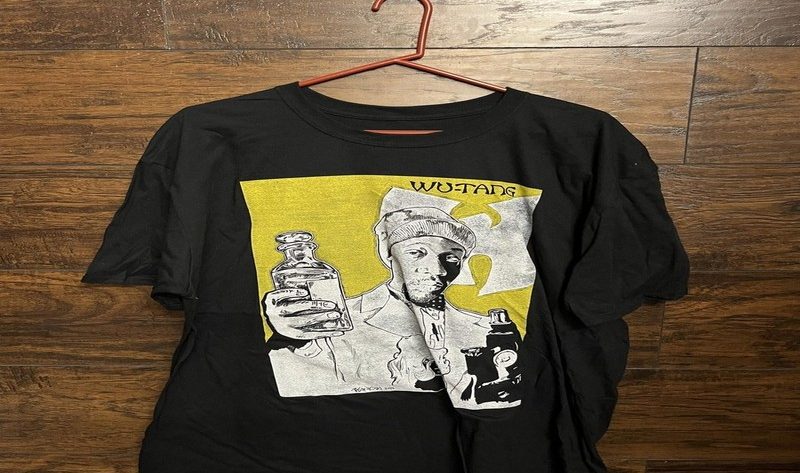
RZA’s foray into merchandise began as an extension of the Wu-Tang Clan’s brand during the 1990s when their raw sound and innovative style captured the attention of millions worldwide. The group’s iconic “W” logo quickly became a symbol not only of their music but also of a broader movement within hip-hop culture. Recognizing this potential early on, Rza shop leveraged the power of branding to create apparel and collectibles that resonated with fans long after albums were released. This strategic move helped establish one of the earliest examples in hip-hop where merchandise was used not just for promotion but as a vital revenue stream.
What sets RZA’s merchandise apart is its authenticity and connection to storytelling. Unlike mass-produced items lacking personal touch or meaning, each product under his empire carries elements inspired by his life experiences, philosophical beliefs, and Eastern influences. For instance, many designs incorporate symbols from martial arts films-an interest deeply rooted in Wu-Tang Clan’s identity-and spiritual motifs drawn from Buddhism and Taoism which have shaped RZA’s worldview over decades. This fusion creates products that appeal not only visually but also intellectually to consumers who appreciate depth beyond surface aesthetics.
Moreover, RZA has consistently pushed boundaries by collaborating with various artists and brands across different industries including fashion designers, sneaker companies, and even tech startups. These partnerships expand his reach while maintaining creative control ensuring every piece aligns with his overarching narrative about empowerment through art and culture. His approach exemplifies how musicians can evolve into multifaceted entrepreneurs without compromising authenticity-a lesson many artists strive to emulate today.
In recent years, digital innovation has further amplified RZA’s merchandising efforts through platforms like e-commerce websites and social media marketing campaigns targeting global audiences directly rather than relying solely on traditional retail channels. This shift allows him greater flexibility in launching limited edition collections or exclusive drops catering specifically to dedicated followers eager for rare memorabilia tied closely to Wu-Tang lore or new solo projects.
Ultimately, exploring the legacy behind RZA’s merchandise empire reveals more than just savvy business acumen-it showcases how cultural icons can transform passion into sustainable ventures while preserving artistic integrity. His success underscores an important paradigm within modern entertainment: merging creativity with commerce thoughtfully creates enduring legacies that inspire generations beyond music alone.